
49Alpha Programs
Tailored, evidence-based support for parents of children and teens requiring constant supervision.
At 49Alpha Drug and Alcohol Intervention, we provide personalized services to empower parents with the tools and strategies needed to manage challenging behaviors and foster positive family dynamics. Explore our offerings below and find the support that’s right for your family.
Compare the Programs
Partial Hospitalization Program (PHP)
Our 12 week PHP provides intensive support for youth needing structured care. Running 5 days a week for 5 hours daily, this program includes DBT for mental health resiliency, CBI-SUA for substance use recovery, and academic support to keep youth on track with their education. With personalized treatment plans and mentorship, PHP is ideal for those requiring comprehensive recovery support.
- 5 days/week, 5 hours/day
- Monday – Friday
- 8 AM to 1 PM
- Lunch provided
- Transportation to and from home and to activities.
- Continued Education and Tutoring
Intensive Outpatient Program (IOP)
Our 12 week IOP offers flexible yet structured care, running 3 days a week for 3 hours daily. Designed for youth balancing recovery with school or work, it incorporates DBT and CBI-SUA, along with mentorship and family involvement. IOP provides a supportive environment to maintain sobriety while fostering independence. Transportation is available from home to 49Alpha and back.
- 3 days/week, 3 hours/day
- Mondays, Wednesdays, Fridays
- 2 PM to 5 PM
- No meals provided
- Transportation to and from home and to activities.
- Continued Education and Tutoring
What's the process?
Step 1
Learn
Explore our Partial Hospitalization Program (PHP, 5 days/week, 8 AM–1 PM MT) and Intensive Outpatient Program (IOP, 3 days/week, 2 PM–5 PM MT), both 12-week programs tailored for youth. Learn how our evidence-based therapies—Dialectical Behavioral Therapy (DBT) and Cognitive Behavioral Interventions for Substance Use (CBI-SUA)—combined with activities like hiking, archery, and tutoring, foster sobriety and growth. Take our free online assessment or schedule a consultation to find the right fit for your child.
Step 2
Enroll
Once you’ve chosen a program, enrollment is seamless. Most participants qualify through Medicaid, and we assist with insurance verification. Parents sign waivers for participation, and our team coordinates free, Medicaid-provided transportation to and from our offices in Twin Falls or Jerome. Youth can start at any time, whether court-ordered or proactively enrolled to prevent legal issues, ensuring immediate access to care.
Step 3
Participate
Your child will engage in our PHP (with lunch provided) or IOP, participating in small groups (2–12 youth) for personalized attention. Through DBT, CBI-SUA, weekly one-on-one counseling, and fun activities like swimming, bowling, mindfulness, and tutoring (including GED prep), youth build resilience, academic progress, and a supportive community. Low-intensity activities are supervised by background-checked staff, fostering a safe environment for growth and sobriety.
Step 4
Continued Support
After completing the 12-week program (pending sobriety and parole officer approval for court-ordered participants), 49Alpha provides ongoing mentorship and family support. Weekly counseling continues to track goals, while our community activities and free virtual parent support groups help maintain sobriety and build a network of trusted adults and peers. We’re here to ensure lasting recovery and a fulfilling, sober future.
Why Choose 49Alpha?
Our programs stand out with their youth-focused, holistic approach, combining evidence-based therapies with long-term mentorship, academic support, and family involvement. We create a compassionate community where youth rediscover their purpose and families heal together, setting us apart from broader treatment models.

Dialectical Behavioral Therapy (DBT)
DBT focuses on building mental health resiliency and emotional regulation skills. Through mindfulness, distress tolerance, and interpersonal effectiveness, youth learn to manage emotions and cope with challenges, supporting their recovery from addiction and co-occurring mental health issues.
Cognitive Behavioral Interventions for Substance Use (CBI-SUA)
CBI-SUA is an evidence-based approach targeting substance use behaviors and triggers. By identifying and modifying negative thought patterns, youth develop healthier coping strategies, empowering them to maintain sobriety and build a stronger future.
What types of activities?
Archery
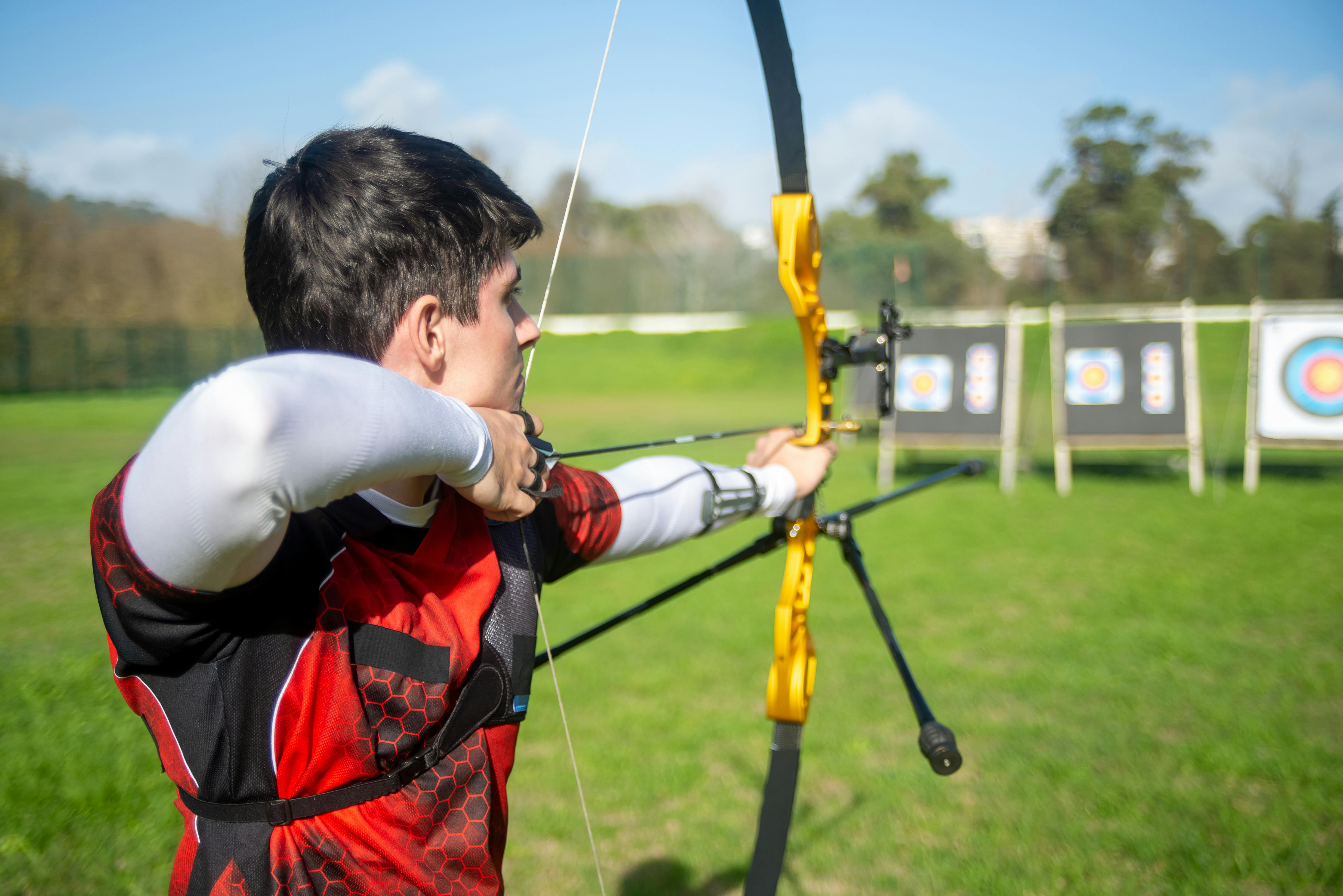
Archery at 49Alpha builds focus, discipline, and self-confidence for youth in recovery. Aiming for the target cultivates mindfulness and emotional regulation, helping participants manage addiction triggers. This calming activity fosters patience and a sense of achievement, supporting sobriety in a nurturing, community-driven environment.

Arts & Crafts
Arts and crafts at 49Alpha spark creativity and self-expression for youth in recovery. From painting to crafting, these activities provide healthy outlets for emotions, boost self-esteem, and promote mindfulness. Engaging in group projects fosters a sense of community, helping participants thrive in sobriety.

Bowling
Bowling brings 49Alpha’s youth together for fun and laughter in a sober, social setting. This activity encourages teamwork, healthy competition, and positive relationships, boosting mood and connection. By enjoying these moments, participants build lasting memories that reinforce their commitment to recovery.

Hiking
Hiking through nature allows youth at 49Alpha to reconnect with themselves and their surroundings. Guided hikes promote physical health, reduce stress, and encourage mindfulness, aiding emotional clarity in recovery. The shared experience strengthens bonds within our sober community, inspiring hope and resilience.

Journaling
Journaling provides youth with a safe space to express emotions and reflect on their recovery journey. This introspective activity enhances self-awareness and emotional regulation, key for overcoming addiction challenges. Through guided journaling, participants process experiences and build resilience in a supportive setting.
Swimming
Swimming at 49Alpha offers a refreshing way for youth to stay active and manage stress. The rhythmic movement promotes emotional balance and physical wellness, helping reduce anxiety and cravings. Group swim sessions foster camaraderie, creating a supportive community essential for lasting sobriety.

Education
Help youth catch up on missed learning, ensuring they stay on track academically during recovery. Personalized tutoring sessions boost confidence, foster discipline, and support cognitive growth, empowering participants to achieve their educational goals while maintaining sobriety in a supportive environment.

Setting Goals
Setting goals empowers youth to envision a sober, fulfilling future. Guided sessions help participants create achievable, meaningful objectives, fostering motivation and purpose. This structured activity builds confidence and accountability, supporting long-term recovery by giving youth a clear path forward.
Frequently Asked Questions
Q: Who can participate in 49Alpha’s programs?
Q: What programs does 49Alpha offer?
Q: How does 49Alpha differ from other recovery programs?
Q: What activities are included in the programs?
Q: How do the programs support academic progress?
Q: How long are the programs, and when can my child start?
Q: What is the enrollment process?
Q: How does 49Alpha support families during recovery?
Q: What happens after the program ends?